
 Testimonials
Pharmaceutical Water Systems: Practical Applications (Ireland)
+ Book Online Now
Course Dates
-
Pharmaceutical Water Systems: Practical Applications (Ireland) Q4-26
10th November 2026 - 12th November 2026
Location: Dublin, Ireland
Course Price £2245.00
Book Now -
Pharma Water Systems
We have produced an overview of the course information available online, available here in a handy PDF Prospectus.
Download Course PDF
Pharmaceutical Water Systems: Practical Applications (Ireland + BMS)

About the course
As Honeyman Training continues to develop its range of branded training courses via the long established ‘Principles in Practice’® series, we are pleased to announce that the extremely popular Pharmaceutical Water Systems training course to be held at The Carlton Hotel Blanchardstown, Dublin Ireland, will include a site tour at the state of the art Bristol-Myers Squibb facility.
During the visit there will be the opportunity for delegates to tour some of the site’s pure water installations and to speak to Bristol-Myers Squibb personnel about owning and managing these systems within the pharmaceutical regulatory environment. This shared experience will be invaluable to other pure water system owners and users, and for those planning to build new systems in the future.
This Principles in Practice® course will run over three days.
Pharmaceutical Water: What’s all the fuss about?
There’s a lot of complacency about water. Even in the domestic situation, few people in the developed Western World think much about it – until it isn’t there. Then you can’t drink it, wash in it, shower, take a bath, water the garden, clean the car, clean windows etc. A couple of days without water and suddenly it’s the most important thing in life. The same is true in the pharmaceutical manufacturing environment. Water normally flows like manna from heaven to manufacture products, make up solutions, wash equipment, clean down areas etc. But no pharmaceutical facility would stay in production very long without it – water is truly a ‘critical utility’. Being without water has consequences in any situation, but there are two crucial differences between water used for domestic purposes and that for pharmaceutical manufacturing – Quality and Cost
Every pharmaceutical factory has to provide water of ‘controlled consistent quality’ for product manufacture and processing, and in most cases that involves a water purification system to generate the appropriate grade, and a storage and distribution system – effectively a ‘hygienic’ plumbing system – to get this purified water to the users. Most commonly, ‘Purified Water’ (PW) and ‘Water for Injections’ (WFI) are the bulk grades you would find in a pharmaceutical manufacturing environment, and these have strictly prescribed quality requirements in all the Pharmacoepias, along with one or two lesser used qualities.
It costs a lot to install a pharmaceutical grade water system, it also costs a lot to run it and to maintain it, to control and monitor it, week in and week out, and it even costs money to throw used water away whatever the grade. It costs even more if the water quality is bad, and production is stopped, or worse, if products have to be discarded. So quality and cost are inextricably linked when it comes to pharmaceutical water.
Another problem with pharmaceutical water systems is they must be monitored and controlled. A micro sample can be taken at 11 o’clock, tested in the lab and everything found to be fine five days later when the results come through, but in actual fact the system could have been contaminated at 1 minute past 11 and nobody would know until the next sample was taken. What’s more – the pipework passing through a facility can transmit water contamination everywhere – it can spread throughout the facility instantly. So you can’t easily ‘test quality in’ to a working water system, which mean a total (holistic) approach to quality is needed; i.e. the system must be designed well, operated and maintained properly, and be adequately monitored and controlled. Regulators such as MHRA and FDA inspectors of course, know this, and are likely to ask probing questions at audit about water systems. They know that water is crucial and a potential risk to quality and manufacturing.
But do the people involved know and understand their water systems? Can we be confident that the water system is good and producing quality water in between the testing?
Honeyman Training courses highlight the key and essential points of designing, building, owning and operating pharmaceutical water systems. Basic design of water purification, storage and distribution system elements will be outlined, with illustrated examples. Delegates from different backgrounds and disciplines such as Engineering QC/Microbiology, Validation, Plant and Production Operators will learn and understand the roles each plays in the management, maintenance and control of water systems. Good communication and understanding between these areas is of course essential and key to efficient and successful water system performance.
Honeyman lecturers are seasoned professionals, with many years’ experience in the field of pharmaceutical water. Their practical knowledge and experience enables them to host in-depth question and answer sessions, the history and background of today’s standards can be explained, and plenty of guidance and advice on the do’s and don’ts of water systems will be on offer.
This course provides a unique opportunity to combine classroom learning with knowledge transfer and practical experiences, with hands-on, first-line experience of established working systems and the opportunity to work on problem solving with delegates from other pharmaceutical companies.
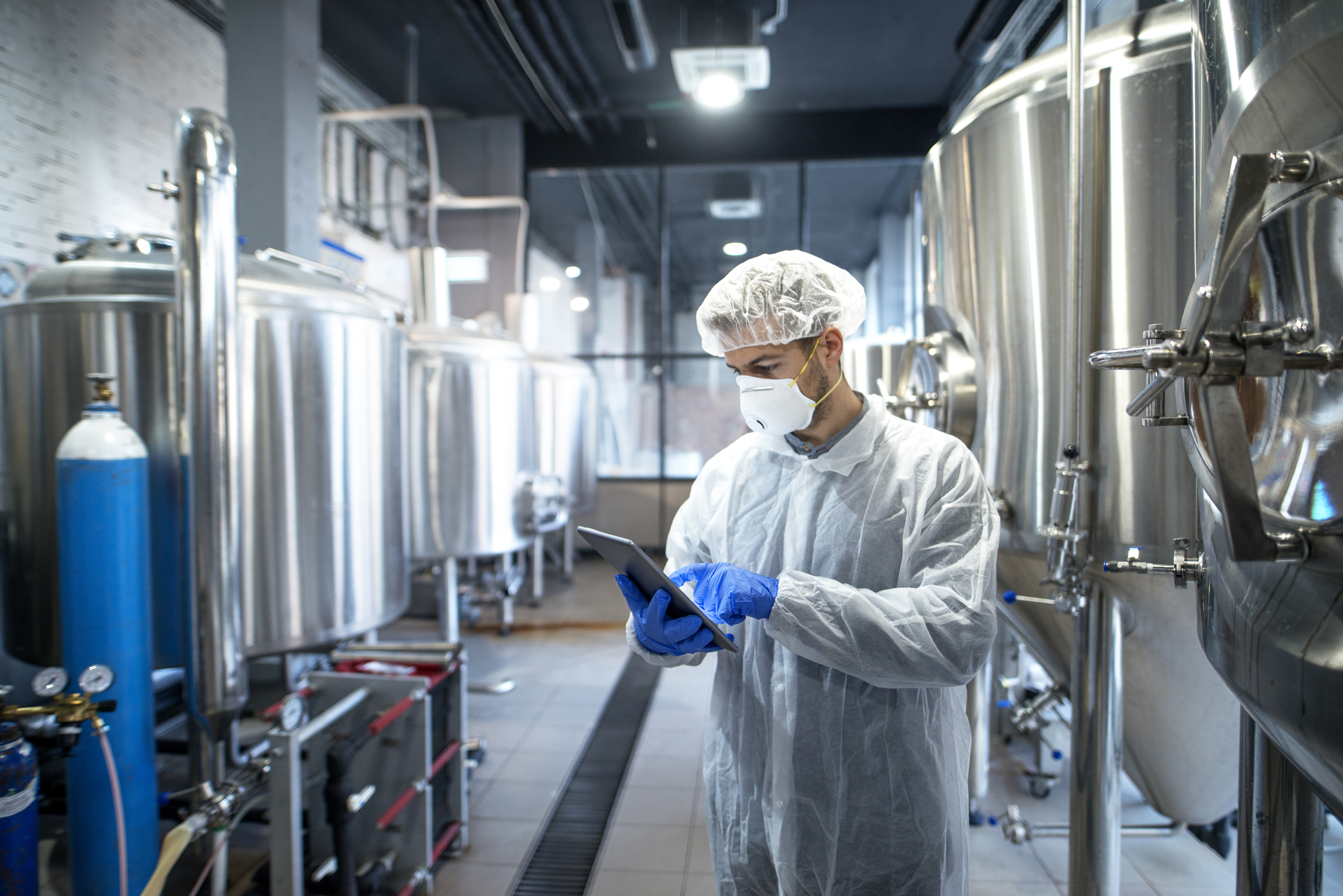
Who Should Attend This Course?
This course has been created for personnel involved in the design, management and operation of pharmaceutical and biopharmaceutical water systems from the following disciplines: Engineering, Quality Assurance, Microbiology, QC, Production, Operations and high purity water SME’s.
Course Features
Site Tour
Bristol-Myers Squibb have agreed to take delegates on a tour of their pure water facility, and to describe its design and operation, which will be hugely appreciated by delegates. This will provide a unique opportunity to see the ‘Principles in Practice’® in a working facility.
Workshops & Discussions
Is distillation better than RO for WFI? Annex 1 Proposed Revision – Water Systems
In addition to the factory tour of Bristol-Myers Squibb, there will be interactive workshop sessions where delegates will have the opportunity to work with delegates from other companies to look at specific issues and problem solving. This course will specifically feature a discussion workshop on the revision to the European Pharmacopeia regarding producing WFI from methods other than distillation. We will also examine the proposed changes to Annex 1 with regard to pharmaceutical water systems.
Course Objectives
This 3 day course will explain:
- The current pharmacopeial specifications and requirements for pharmaceutical water
- The uses and applications for water in the pharmaceutical and biotech manufacturing facilities
- The methods of purification for Purified Water and Water for Injections
- The building blocks of water systems, and how to configure them to maximise reliability and performance
- Validation and Qualification including URS, DQ, IQ,OQ and PQ activities
- Microbiological challenges including Biofilm and how to control them
- The design principles and standard industry practices in storage and distribution systems
- Approaches to quality, management and control of systems
- Workshops designed for delegates to put the principles into practice
Course Content
- Compendial Water Qualities and Uses
- Methods of Production – Purified Water
- Methods of Production – WFI
- Distillation vs RO
- The Purification Train and Pre-treatments
- Storage and Distribution Systems
- Handling and Managing Water projects
- Design Workshop and Discussions
- Introduction to Water Systems at Site
- Site Tour of BMS Water System
- Microbiology of Water Systems
- Testing Requirements for Pharmaceutical Water
- Problems with Conventional Systems
- HydroGienic® Solution
- Rouge
Course Dates / Costs Description
Please note: Our online booking system works in £GBP. Honeyman Training & Consultancy Limited reserves the right to amend any prices at any time.
All advertised prices are exclusive of any applicable VAT or local taxes.
Course Terms & Conditions
Unique Offering
This course provides a unique opportunity to combine classroom learning with knowledge transfer and practical experiences, with hands-on, first-line experience of established working systems and the opportunity to work on problem solving with delegates from other pharmaceutical companies.
Directions Map for Training: The Carlton Hotel Blanchardstown, Dublin, Ireland
Training prospectus 2026
We have produced an overview of the course information available online, available here in a handy PDF Prospectus.

Our Customers
Our team has trained and works with the world's leading Pharmaceutical companies, including …



Latest News

6th October 2026
Effective contamination control doesn’t begin with a procedure. It begins with understanding.
Read more


28th May 2026
From Oxidisable Substances to TOC: Modernising the European Pharmacopoeia Monograph for Water for Injection <0169>
Read more

30th April 2026
The Use of Biological Indicators in Steam Sterilisation Qualification Studies
Read more


6th September 2024
Benefits of Microbiology Course for Non-Microbiologists in Pharmaceutical Manufacturing
Read more

